
The Essence of Thermal Transfer Ribbons
At its core, Thermal Transfer Ribbons are consumables used in printing technology to produce high-quality labels. These ribbons are designed to transfer ink onto a variety of materials using heat, creating durable and legible markings. In the automotive sector, where components range from intricate electronic parts to heavy-duty mechanical assemblies, the need for clear, resilient labeling is paramount
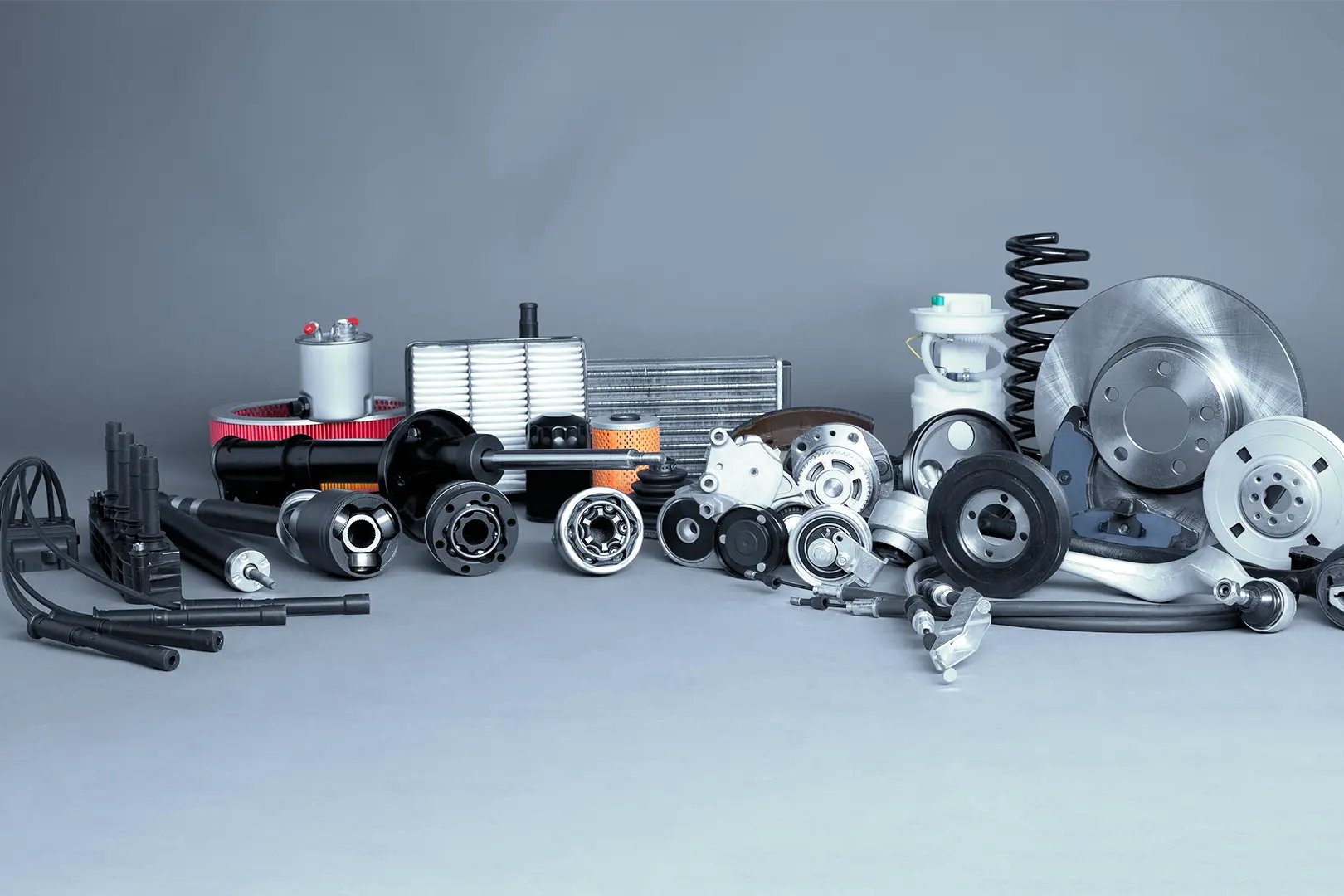
Component Identification and Traceability: Automotive manufacturers rely on TTR to label critical components such as batteries, brake pads, tires, airbags, and more. Each label includes essential information like serial numbers, batch codes, and compliance details, ensuring traceability throughout the supply chain.
Regulatory Compliance: The automotive industry is governed by stringent regulations concerning safety, emissions, and quality standards. Thermal Transfer Ribbons facilitate compliance by providing labels that withstand harsh conditions including extreme temperatures, moisture, and exposure to chemicals, ensuring vital information remains intact and legible.
Enhanced Durability and Longevity: Labels produced with TTR are highly resistant to abrasion, fading from UV exposure, and smudging from oils and other contaminants. This durability ensures that labels remain readable throughout the lifespan of the vehicle, from assembly line to end-user.
Versatility: TTR can be used on a wide range of materials including plastics, metals, and synthetics, making it adaptable to diverse automotive applications.
Cost-Effectiveness: Despite their advanced capabilities, TTR remains cost-effective due to their longevity and ability to produce high-quality, durable labels in large quantities.
Customization: Manufacturers can customize TTR to incorporate brand logos, colors, and specific design requirements, enhancing product visibility and brand recognition.
The adoption of Thermal Transfer Ribbons has streamlined operations for automotive manufacturers worldwide. By improving efficiency in labeling and ensuring regulatory compliance, TTR has become an indispensable tool in modern automotive production facilities. Looking ahead, advancements in ribbon technology are expected to focus on enhancing environmental sustainability, reducing waste, and further improving label durability and readability under increasingly stringent industry standards.

In conclusion, Thermal Transfer Ribbons have transformed automotive labeling from a functional necessity into a strategic advantage. By enabling clear, durable, and compliant labeling solutions, TTR supports the automotive industry in maintaining high standards of safety, efficiency, and product integrity. As technology continues to evolve, TTR remains poised to play a pivotal role in shaping the future of automotive manufacturing, driving innovation and ensuring excellence across the global automotive landscape.