
In the food processing industry, tracking and identifying fresh produce and consumables is critical. Crates and totes, whether made of plastic or wood, are essential for the transport and storage of these goods. Using thermal transfer technology—specifically wax, wax/resin, or resin ribbons—ensures labels are printed with durability, offering resistance to smudging, scratching, and fading. This technology, when combined with suitable label stock, ensures that your products can be tracked accurately throughout the supply chain.
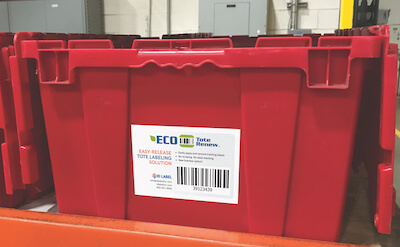 Challenges in Labelling Crates and Totes
Food crates are often exposed to harsh environments during harvesting, production, and transport. Reused crates must also be cleaned and sterilised, which can subject labels to chemicals and physical wear. Common challenges include:
To avoid label damage and ensure legibility, it's important to use labels that can withstand these environmental factors.
Legible crate labels are vital for smooth logistics. A single unreadable barcode or faded batch number can disrupt the entire supply chain, potentially leading to rejected deliveries. These labels serve multiple functions, providing key information for farmers, processing plants, retailers, and consumers. The data included on these labels typically covers:
One of the significant advantages of thermal transfer technology is its compatibility with a wide range of label materials, ensuring the printing can endure aggressive handling and repeated use of containers. The ability to produce clear, durable labels is critical in maintaining efficiency within the supply chain.
By choosing thermal transfer ribbons, businesses can ensure that their crate and tote labels remain intact and legible throughout the entire logistics process.
Recommended Solutions For reliable and robust labelling, we suggest the following products: