 As the world develops rapidly, so does labelling & technology.
Labels and handwritten tags were first used in the early 1700s. These tags first appeared on medicine bottles and were handwritten on handmade paper making the labeling process time-consuming.
Nowadays, handwritten labels & tags are used to identify inventory quantities, product codes, and prices per product. However, this method had several drawbacks, such as:
• Low aesthetic appeal
• Frequent maintenance required to prevent labels from fading
To address these issues, retail labels were introduced. They not only maintain the initial purposes but also solve these drawbacks and offer additional benefits such as:
• High print quality & durability
• Meeting market demands for precision and aesthetics
• Variable data printing
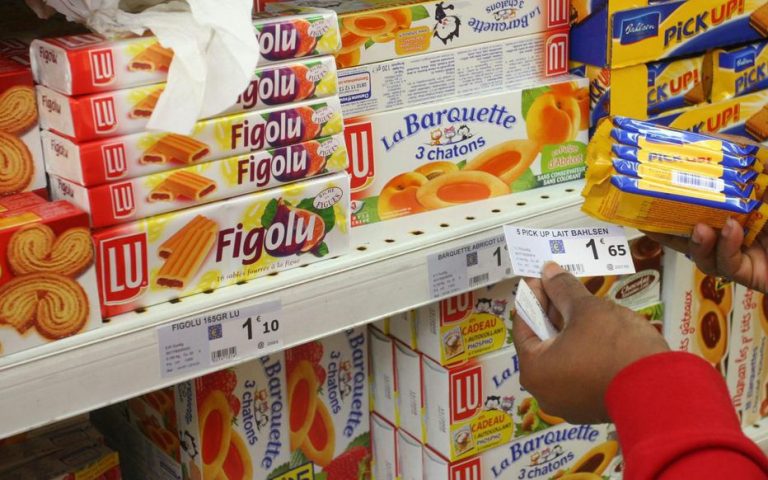 Labeling Retail Products
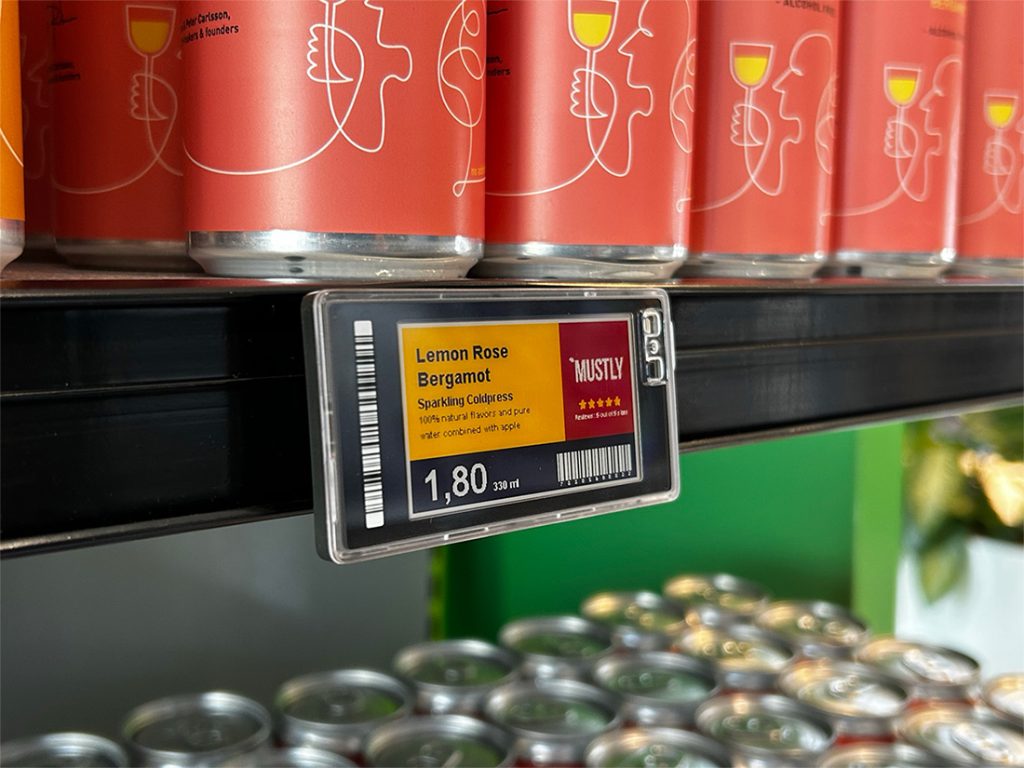
Shelf tags are one of the useful tools in retail flow, providing specific product information that helps customers or staff quickly find items when needed. They also help in tracking the status of goods to refill when stock is low or out of stock. Product labels can be integrated with barcodes & QR codes to easily access custom information or re-order when necessary.
To ensure the quality of shelf tags for retail, the use of high-quality thermal transfer ink is essential. Using high-quality thermal transfer ink helps minimise unnecessary costs while ensuring that your retail business operates smoothly and professionally.
Choosing the wrong thermal transfer ink will lead to the tags smudging & scratching which compromises the quality and will not allow it the variable data to be scanned and processed - causing issues at POS system & through the supply chain.
Other types of printing are not as effective as using thermal transfer ribbons due to the fact that more brands & retailers need to utilise variable data - where each label has it’s own unique identifiers on. This can only mainly be done using ttr
At ACE we have a wide range of solutions for retail tags to print custom data at high quality: